HELM
The Helm Blog
Insights on nervous system regulation, mental clarity, and the science of optimal performance.
HELM
HELM
HELM
HELM
HELM
HELM
Insights on nervous system regulation, mental clarity, and the science of optimal performance.
Helm is the #1 app to optimize your mind, breathe better, and master your focus. Combine science-backed breathwork and meditation into your daily protocol to build resilience.
Some people try this style of breathing because they want a fast shift, more energy, or a feeling of mental clarity. The real lever is physiology, not willpower: changing breathing patterns changes carbon dioxide levels, blood pH, and the signals your nervous system sends to the heart and brain. That can feel empowering, but it also means you need guardrails.
This approach typically combines cycles of deep breathing and breath holds. Done thoughtfully, it can sharpen interoception (your sense of internal state) and build confidence in handling discomfort. Done carelessly, it can provoke dizziness, tingling, panic-like sensations, or fainting, especially if practiced in unsafe settings. This article keeps the hype low and the practical safety high, so you can decide if it fits your body, your goals, and your risk tolerance.

The “charged” feeling often comes from intentional overbreathing, which lowers carbon dioxide (CO2) in the blood. CO2 is not just waste gas, it helps regulate blood acidity and influences how readily oxygen releases to tissues. When CO2 drops, you can feel lightheaded, tingly, or even mildly detached, and your urge to breathe may temporarily decrease.
Breath retention after overbreathing can feel surprisingly comfortable at first because low CO2 delays the air hunger signal. Over time, as CO2 rises again, the urge to breathe returns. This is one reason the practice can feel like “control” over the breath, when it is often control over the CO2 alarm system.
Autonomic shifts vary by person and by pace. Some people experience a short-term sympathetic surge (alert, activated), then a parasympathetic rebound (calm, grounded). Research on voluntary breathing and retention shows measurable effects on autonomic markers and chemistry, but outcomes depend on context, fitness, anxiety sensitivity, and technique. For background on how paced breathing influences stress physiology, see this overview from the National Center for Complementary and Integrative Health and this primer on breathing and vagal pathways from Harvard Health.
Most versions include three ingredients: rhythmic deep breathing, breath retention, and (sometimes) cold exposure. Each ingredient has a different purpose, and mixing them too aggressively is where people get into trouble.
Rhythmic deep breathing is usually done through the nose or mouth, with a relaxed exhale. The goal is consistency, not force. A common mistake is “sucking air” with neck and chest tension, which can increase dizziness and trigger anxious sensations. Think smooth and diaphragmatic, not maximal.
Retention is where safety and ego often collide. Long holds are not a moral achievement, they are a dose. A useful hold ends while you still feel coordinated and calm. If your face or hands cramp, your vision narrows, or you feel impulsive urgency to “push it,” treat that as a sign to back off. For a deeper risk-oriented breakdown, you can read safer steps and risk checks for this style of breathwork.
Cold exposure, if you do it, should be viewed as a separate training stressor with its own progression. Stacking intense cold with aggressive breathing can amplify stress load and increase the chance of a bad experience. If your main goal is calm focus, it is often smarter to master breath first, then consider other stress inoculation tools.
Safety is less about doing everything perfectly and more about choosing the right context. Never practice intense overbreathing and retention in water, in the bath, in the shower, while driving, or while standing. The main acute risk is fainting and injury.
You should skip this style, or get clinician guidance first, if any of the following apply:
Even if you are generally healthy, treat early warning signs seriously. Numbness around the mouth, carpopedal spasm (hands curling), chest pain, or confusion are not “breakthroughs.” They are cues to stop, breathe normally, and reassess.
If you want a clinical perspective on breathwork cautions and why hyperventilation can be risky, the Cleveland Clinic’s breathing exercise guidance and the Mayo Clinic overview of breathing for stress are good, conservative references.
If you are new, the best strategy is to cap intensity and build consistency. Use a seated or lying position, keep the room temperate, and practice when you are not rushed.
Try this progression 3 to 5 days per week for two weeks:
The point is to finish feeling clear, not wrung out. A good session should improve your next hour, not steal from it. If you track anything, track after effects: steadier attention, less reactivity, warmer hands and feet, easier transitions. Those are better markers than hold time.
If you feel “revved” afterward, reduce the number of deep breaths per round, shorten the hold, or end with longer exhale breathing. This is dose-response training, not a test.
A strong session can leave your nervous system in a flexible, suggestible state. The next three minutes matter because they teach your brain what the practice is for: agitation or groundedness.
First, normalize breathing. Nasal breathing with a soft belly often brings the quickest stabilization. Second, orient: look around the room, relax your gaze, and feel your feet or back supported. This helps re-engage safety cues in the brain. Third, choose a simple focus object like sensations at the nostrils or the soundscape.
If your goal is immediate composure, pair the end of your session with a short, structured protocol like box breathing for instant calm. A predictable rhythm can “close the loop” and reduce post-session jitters.
Finally, do not ignore recovery basics. Hydration, a small snack if you are under-fueled, and a short walk can all help. If you want this practice to support work and relationships, consistency and integration beat intensity.
This breath-and-retention approach can be a legitimate tool for stress tolerance, interoceptive skill, and energy shifting, but it is not inherently gentle. Your best results come from smart dosing: comfortable holds, relaxed mechanics, and a safe setting where fainting risk is near zero.
Use the practice to learn your patterns, not to overpower them. If you notice fear, compulsive pushing, or lingering dizziness, scale down and build from stability. Over time, you can progress by adding a round, slightly slowing the breathing pace, or refining your recovery phase so you finish calm and focused.
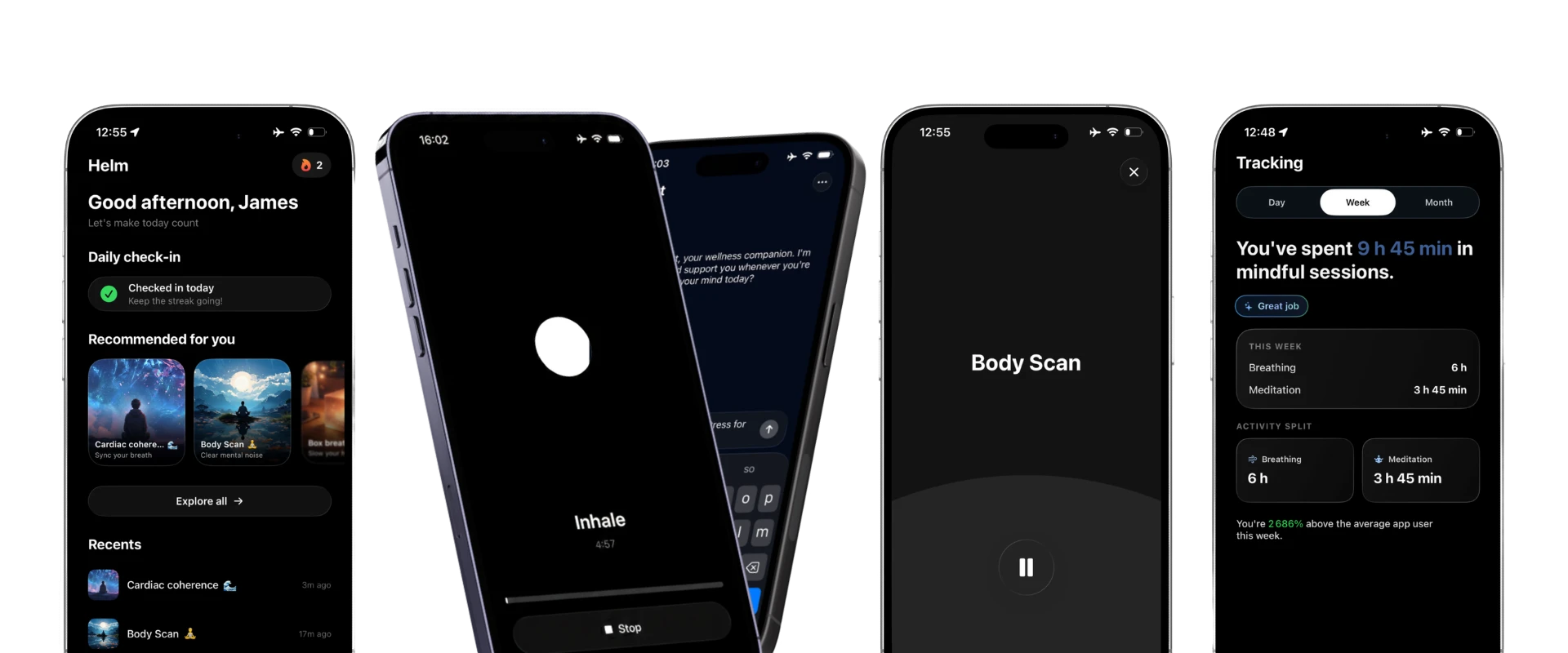
If you want a simple guided reset, try Helm, a mental wellness app built to manage stress and improve focus through short guided breathing resets.
It can help some people feel capable and clear, but it can also mimic anxiety sensations (tingling, racing heart, dizziness). Start gently, prioritize long exhales afterward, and stop if it increases panic.
Tingling and hand cramping can happen when CO2 drops too quickly, shifting blood acidity and increasing nerve excitability. Reduce intensity, slow the pace, breathe through the nose, and end the round earlier.
Hold only until the first strong urge to breathe, while you still feel coordinated and calm. Longer is not better. Beginners often do best with shorter holds and more emphasis on the downshift.
Many people can, but daily intensity can backfire. Consider 3 to 5 days per week, and use lighter sessions on stressful days. If sleep worsens or irritability rises, reduce dose.
No. Never combine overbreathing and retention with water exposure. Fainting can happen without warning, and shallow water is still dangerous. Practice seated or lying down in a safe, dry place.
Join thousands using Helm to manage stress, improve focus, and build lasting healthy habits.