HELM
The Helm Blog
Insights on nervous system regulation, mental clarity, and the science of optimal performance.
HELM
HELM
HELM
HELM
HELM
HELM
Insights on nervous system regulation, mental clarity, and the science of optimal performance.
Helm is the #1 app to optimize your mind, breathe better, and master your focus. Combine science-backed breathwork and meditation into your daily protocol to build resilience.
If you are searching for how to beat the afternoon slump naturally, it helps to know this dip is not a character flaw, it is biology meeting modern habits. Many people experience a predictable circadian dip in alertness in the early to mid afternoon, especially after a meal. Layer on screens, indoor lighting, shallow breathing, and long sitting, and your brain gets the message: conserve energy.
The slump usually shows up as post-lunch fatigue, reduced motivation, fuzzy focus, and snack cravings. Often, the goal is not to force “more energy,” but to shift your state from low-arousal to calmly alert. Small inputs can do this quickly: breathing that nudges the nervous system, bright light that tells your circadian system it is still daytime, movement that increases blood flow, and a snack that stabilizes blood sugar.
Before you reach for another stimulant, try the resets below. They are designed to work with your physiology, not against it.

The afternoon drop is usually a combo of timing and inputs. Your circadian rhythm naturally has a valley after midday, even if you slept well. This pattern is widely described in sleep and circadian science, including overviews from the National Sleep Foundation.
Then come the amplifiers. A large, fast-digesting lunch can trigger a bigger swing in blood glucose and insulin, which some people feel as sleepiness. Dehydration can add a surprising amount of fatigue, and so can poorly timed caffeine, which may create a rebound later. Finally, stress matters: when you are tense and breathing high in the chest, you spend more energy than you realize, and your attention becomes more fragmented.
A helpful reframe is this: the slump is often a state regulation problem, not a willpower problem. The interventions that work best are the ones that change state quickly and gently.
Breathing is the fastest lever you have because it is one of the few body systems you can control directly. The aim here is not hyperventilation or “pushing through,” but slow, even nasal breathing that supports steadier heart rhythm patterns and a calmer, clearer mind.
If you want a deeper explanation of why this works and how to do it well, read coherent breathing: a 5 minute practice for calm and focus. For now, use this simple reset at your desk.
This works best when you do it before you are fully wiped out. Think of it as an early warning response: the first yawn, the first scroll impulse, the first “I cannot focus” thought.
For safety: if you have respiratory or cardiac conditions, keep the breath gentle and consult a clinician if unsure. The general idea of relaxation breathing is consistent with guidance summarized by the National Center for Complementary and Integrative Health.
When people ask about natural energy boosters, they often overlook light. Bright light during the day supports alertness signals, while dim indoor light can blur your “daytime” cue. If possible, step outside for 2 to 5 minutes. Even on cloudy days, outdoor light is typically far brighter than indoor lighting.
Hydration is equally unglamorous and equally powerful. Mild dehydration can reduce cognitive performance and increase perceived effort. If you are dragging, drink water first, then reassess in 10 minutes.
Food is where many slumps are made. Your goal is a lunch that digests steadily, plus an optional snack that prevents a hard drop. Consider these steady-energy snack ideas (choose one):
Try to minimize a lunch that is only refined carbs and low protein. For broader context on sleepiness drivers and circadian timing, the Centers for Disease Control and Prevention sleep resources offer a solid starting point.
The fastest way to change your mental state is often to change your body. Movement increases circulation, raises carbon dioxide tolerance in a healthy way, and gives your attention a clean break. The key is choosing something that creates alert calm, not agitation.
If you have 60 to 120 seconds, do a brisk walk to a window, a hallway lap, or a set of stairs at an easy pace. If you are stuck at your desk, stand and do 10 slow calf raises, then a gentle forward fold, then roll the shoulders.
Pair movement with breathing for a strong effect: inhale for 3 steps, exhale for 4 steps while walking. That slightly longer exhale helps keep the nervous system from flipping into “stress energy.” Many people find that this combination reduces the urge for impulsive snacking and makes it easier to start the next task.
One more high-impact tip: switch tasks strategically. When you feel the slump, do 10 minutes of low-cognitive load work (organizing, scheduling, reviewing notes) to rebuild momentum, then return to deep focus.
Consistency beats intensity. The best plan is the one you can do on a busy day. Use this 10-minute sequence when you notice the first signs of a dip, or set a daily reminder for the time you usually crash.
If your slump feels tied to anxiety or pressure, you may also benefit from learning quick state-change tools. This guide on how to calm the nervous system fast fits well alongside the protocol above.
Over time, you can reduce the size of the slump by addressing the upstream causes: consistent sleep timing, a balanced lunch, planned movement breaks, and earlier use of breathing resets. If you regularly feel overwhelming daytime sleepiness, consider talking with a clinician to rule out sleep disorders, anemia, medication effects, or other medical contributors.
Beating the afternoon slump naturally is less about finding a magic hack and more about stacking small, science-aligned inputs. Start with physiology, not motivation: light tells your body it is daytime, hydration supports brain performance, balanced food stabilizes energy, movement restores circulation, and slow breathing helps you shift from scattered to steady.
If you only do one thing, do this: notice the first signs of the dip, then take 3 minutes for a quiet nasal breathing reset followed by 2 minutes of light and movement. That combination is often enough to restore momentum without a stimulant rebound.
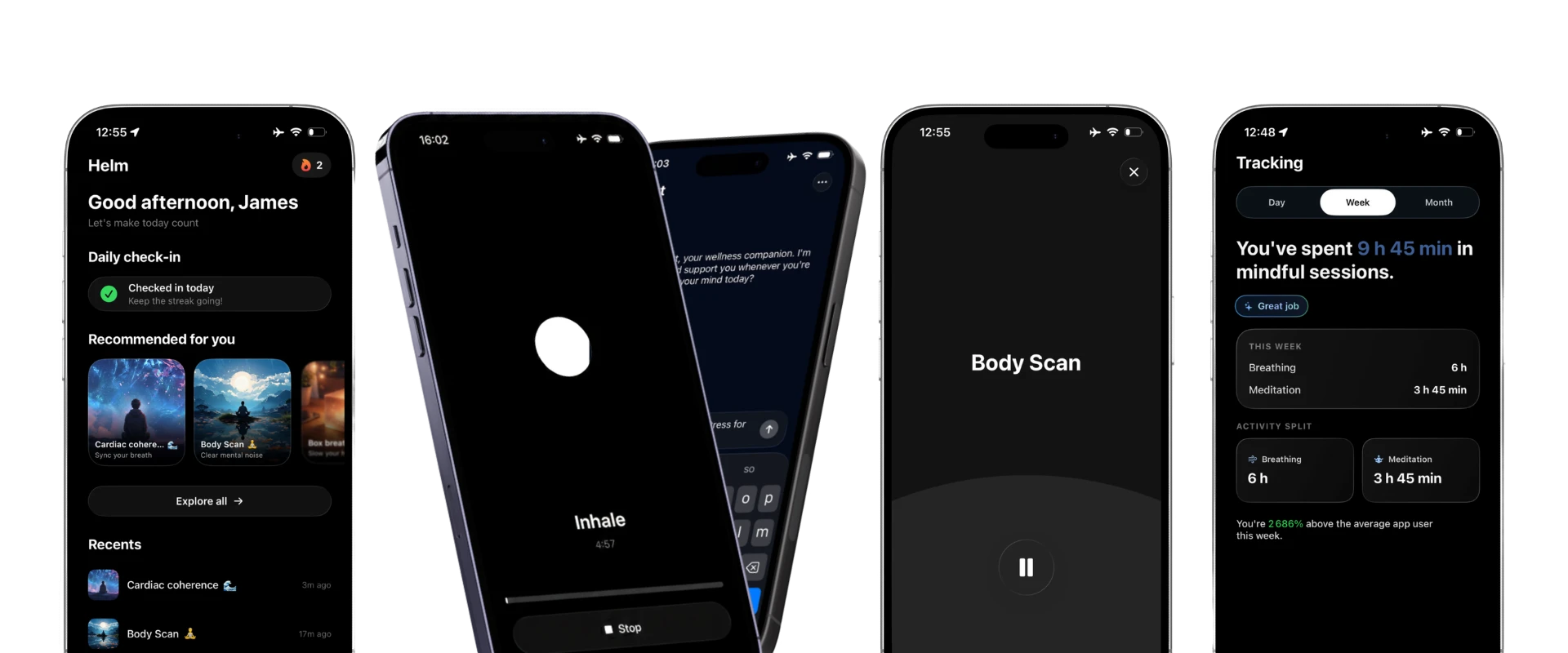
If you want guided breathing resets built for stress and focus, try Helm, a mental wellness app designed to help you manage stress and improve focus through quick, guided breathing resets.
A mild circadian dip is normal, and lunch, dehydration, dim light, and prolonged sitting can amplify it. Try light exposure, water, and 3 minutes of slow nasal breathing before adding caffeine.
A simple coherent-style pattern works well: inhale 4 to 5 seconds, exhale 5 to 6 seconds for 3 minutes, nasal and quiet. The longer exhale often improves calm focus quickly.
Use a 10-minute stack: drink water, get bright light, move lightly, then do slow breathing. If needed, choose a protein-plus-fiber snack to avoid a sugar spike and crash.
A short nap can help if you have time, but keep it brief to avoid grogginess. If naps disrupt nighttime sleep, use light, movement, and breathing instead.
Aim for protein, fiber, and healthy fats with slower-digesting carbs. Large refined-carb meals can worsen sleepiness for some people, especially when paired with a sedentary afternoon.
Join thousands using Helm to manage stress, improve focus, and build lasting healthy habits.