HELM
The Helm Blog
Insights on nervous system regulation, mental clarity, and the science of optimal performance.
HELM
HELM
HELM
HELM
HELM
HELM
Insights on nervous system regulation, mental clarity, and the science of optimal performance.
Helm is the #1 app to optimize your mind, breathe better, and master your focus. Combine science-backed breathwork and meditation into your daily protocol to build resilience.
If you are searching for wim hof breathing benefits, you have probably heard stories about stronger immunity, sharper focus, and a near instant mood shift. The method is usually a cycle of faster, deeper breathing followed by breath retention, often repeated several rounds. It can feel intense because it deliberately changes your blood gases, and that can quickly alter sensation, emotion, and attention.
In plain terms, the practice tends to start with controlled hyperventilation (breathing more than your body needs in that moment) and then flips into a breath hold. This contrast can create tingling, lightheadedness, heat, or a floating feeling. Those effects can be compelling, but they are not always the same thing as healing. The goal of a smart approach is to separate what feels dramatic from what is actually useful, repeatable, and safe.

During the faster breathing phase, you blow off carbon dioxide. That can raise blood pH and narrow some blood vessels, which is one reason people notice tingling, dizziness, or visual brightness. Clinicians describe similar sensations in hyperventilation episodes, including numbness and lightheadedness, as carbon dioxide drops (Cleveland Clinic overview).
Then the breath hold starts from a low carbon dioxide baseline. Because the urge to breathe is driven largely by rising carbon dioxide, you may be able to hold longer than expected. Oxygen still falls during the hold, especially in later rounds, which is why some people feel calm and others feel edgy. If you want a broader, research guided explanation of how breathing patterns change stress physiology, the science behind breathing exercises is a helpful primer.
One more nuance: the method is often paired with cold exposure, but the breathing itself already creates a strong stimulus. Stacking stressors (fast breathing plus cold plus pushing through fear) can be too much for some nervous systems, especially if anxiety, panic symptoms, or cardiovascular risk are already in the picture.
Some claims are overstated online, but there are a few benefits that make sense physiologically, and some have early research support.
First, the method can train interoception and self regulation. Repeatedly moving from intensity to stillness teaches you to notice rising arousal and then tolerate it without immediately reacting. That is a real skill, and it can generalize to stressful situations when practiced responsibly. In the short term, many people report a clearer head and elevated mood after a session.
Second, there is evidence the training can influence stress and immune signaling in specific contexts. A well known experiment found participants trained in this breathing style and cold exposure could voluntarily activate aspects of the sympathetic nervous system and showed altered inflammatory markers after an endotoxin challenge (PNAS study). This does not mean you are “immune to illness,” but it suggests the brain body stress interface is more trainable than previously assumed.
Third, breath retention may provide a form of intermittent hypoxic stimulus in some practitioners. Mild, controlled oxygen dips can be a training signal, but the line between “mild” and “too much” is individual and situational. That is why benefit claims should always be paired with a safety conversation, and why maximizing breath hold time is a poor primary goal.
A practical takeaway: the most reliable benefits tend to be felt as better stress tolerance, improved perceived energy, and increased confidence in working with discomfort. The least reliable benefits are grand promises about curing disease.
The biggest risk comes from practicing in unsafe settings. Because lightheadedness and fainting are possible, you should never do this breathing while driving, in water, in the bath, in the shower, or standing. Loss of consciousness is rare but documented anecdotally, and it only takes one unsafe environment to turn a breathwork session into an emergency.
From a medical standpoint, the rapid breathing phase can provoke symptoms in people prone to panic, dizziness disorders, or migraine. The combination of low carbon dioxide and shifting blood flow can mimic the body sensations of anxiety, which may spiral into panic if you interpret the sensations as danger. If you have a history of panic attacks, a slower, carbon dioxide friendly approach is often a better entry point.
People who should get medical clearance or avoid the method include those with significant cardiovascular disease, uncontrolled high blood pressure, a history of stroke, seizure disorders, or pregnancy. Breath holds and strong sympathetic activation can be a poor match for these situations. When in doubt, treat the practice like vigorous exercise: screen for contraindications, start conservatively, and stop if symptoms feel wrong.
Finally, watch for a subtle risk: chasing intensity. If your metric of success is tingling, extreme breath holds, or feeling “high,” you are more likely to ignore warning signs. Long term regulation improves when you practice at a level that you can repeat consistently, not when you push to the edge.
If you are healthy enough to experiment and you want a safer on ramp, use a structure that prioritizes stability over extremes. Keep sessions short, stay seated or lying down, and treat the early weeks as skill building.
Two cues matter most. First, you should feel clear and grounded within a few minutes after finishing. Second, your body should feel “worked” but not rattled. If you feel wired for hours, have a headache, or notice anxiety spikes, reduce intensity, reduce rounds, or switch methods.
Many people are drawn to this method because it feels decisive, like flipping a switch. If your real goal is reliable stress regulation, you can often get there with less physiological volatility.
For downshifting, extend the exhale and slow the pace. This tends to support vagal tone and steadier carbon dioxide levels, which can reduce dizziness and panic like sensations. Breath control has long been used to interrupt the stress response, and slow breathing is commonly recommended as a relaxation skill (Harvard Health on breath control).
If you want a structured reset that is easy to dose, box breathing is a strong alternative because it is predictable and does not depend on pushing into hypoxia. You can learn a simple protocol in this box breathing exercise guide and use it before meetings, after conflict, or when your mind is racing.
You can also periodize your breathwork like training. Use the intense method occasionally, perhaps once or twice a week, and use gentler practices on most days. That balance often preserves the “edge” benefits like confidence and resilience while protecting sleep, mood stability, and overall nervous system safety.
The most realistic wim hof breathing benefits are better stress tolerance, a sharper sense of control under discomfort, and a short term boost in energy or mood for some people. Those outcomes are plausible because the method strongly shifts carbon dioxide, oxygen, and arousal, and then asks you to recover. The same intensity is also the reason safety matters: settings, health history, and dosing determine whether the practice feels empowering or destabilizing.
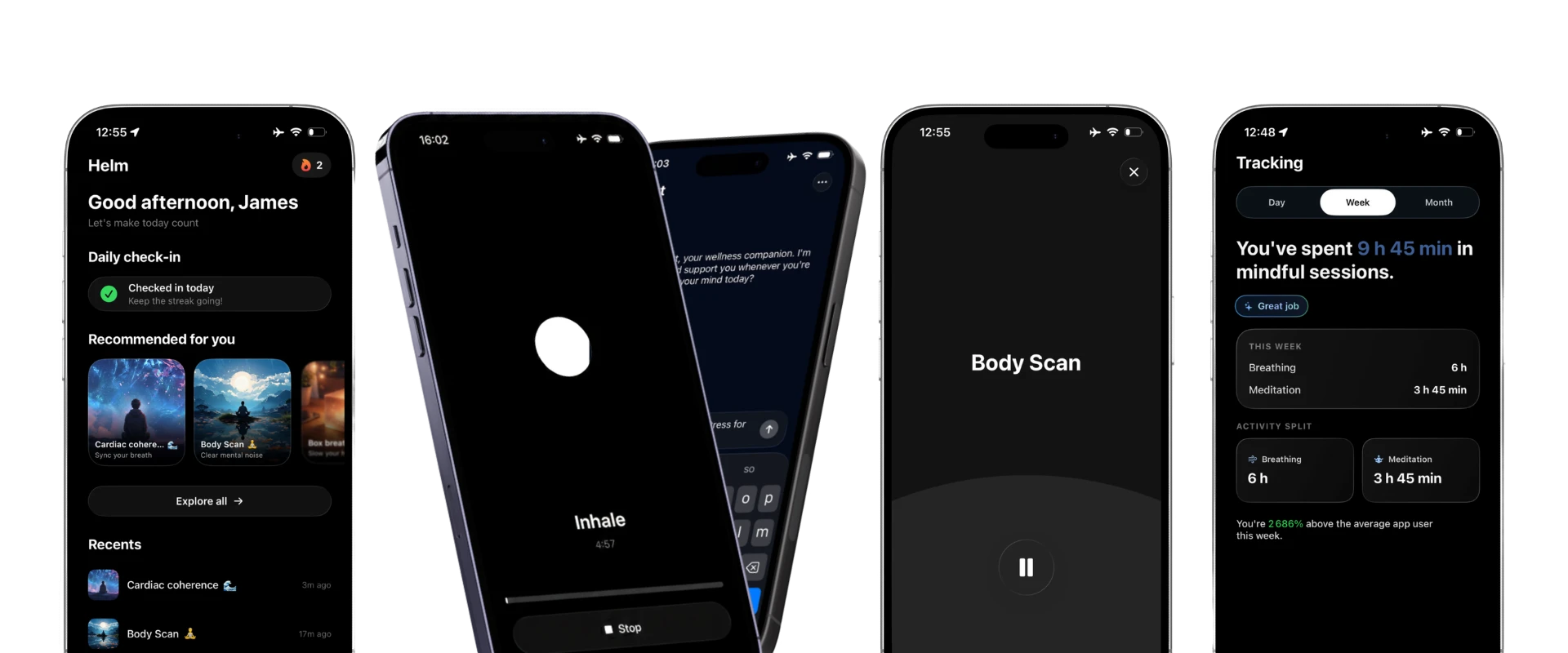
If you choose to experiment, stay seated or lying down, keep rounds conservative, and prioritize feeling grounded afterward over breaking breath hold records. For daily regulation, consider slower techniques that you can repeat consistently, especially if anxiety or dizziness is part of your baseline. If you want guided breathing resets you can use in five minutes, try Helm, an iOS mental wellness app designed to manage stress and improve focus through guided breathing resets.
Some effects are expectation driven, but measurable physiology is involved. The practice changes carbon dioxide and stress signaling, and some studies show immune and adrenaline related shifts, though claims of broad disease prevention are not supported.
It can help some people by improving tolerance to body sensations, but it can worsen anxiety in others by mimicking panic symptoms. If you are panic prone, start with slower exhale focused breathing.
Dizziness and tingling often come from lowered carbon dioxide during fast breathing, which can change blood vessel tone and nerve excitability. Reduce intensity, slow the pace, and stop if symptoms feel unsafe.
Daily practice may be fine for some healthy people, but intensity should be periodized. If sleep, mood, or headaches worsen, reduce rounds, shorten holds, or switch to gentler nervous system regulation breathing.
Use caution. Pairing intense breathing with other stressors can increase risk and dysregulation. If you combine them, keep breathing gentle, avoid maximal breath holds, and never practice near water.
Join thousands using Helm to manage stress, improve focus, and build lasting healthy habits.