HELM
The Helm Blog
Insights on nervous system regulation, mental clarity, and the science of optimal performance.
HELM
HELM
HELM
HELM
HELM
HELM
Insights on nervous system regulation, mental clarity, and the science of optimal performance.
Helm is the #1 app to optimize your mind, breathe better, and master your focus. Combine science-backed breathwork and meditation into your daily protocol to build resilience.
Breath of fire kundalini benefits and risks are closely linked because the practice is stimulating by design. This rapid, rhythmic nasal breathing may increase alertness, warmth, and mental focus for some people, but it can also cause dizziness, tingling, agitation, or anxiety if done too forcefully or for too long. In plain terms, breath of fire is more energizing than calming, so it is not the best fit for every body or every goal.
If you are curious about it, the safest approach is to treat it like an activating breath technique, not a universal wellness habit. Start small, pay attention to how your body responds, and stop at the first sign of strain. That matters because people often assume all breathwork settles the nervous system, when some methods, including fast breathing, can do the opposite.

Breath of fire usually refers to a quick, even pattern of inhales and exhales through the nose, driven by a light pumping action of the lower belly. In many kundalini settings, the breath is continuous and rhythmic, with no long pauses, and the pace is often much faster than everyday breathing.
Physiologically, this matters because fast breathing changes carbon dioxide levels more than slow breathing does. That can shift how alert, warm, and activated you feel. A broad review on breathing and autonomic regulation helps explain why breathing patterns can influence arousal, attention, and the balance between stress and recovery systems.
This is also why breath of fire should not be confused with slow, down-regulating practices. If your goal is steadiness, sleep, or coming down from a stress spike, a slower method is often a better match.
The most commonly reported benefits are higher energy and sharper mental engagement. Because the technique is brisk and repetitive, many people feel more awake within a minute or two. Some also notice a sense of internal heat, stronger posture, or a clearer transition into movement, chanting, or meditation.
Another possible benefit is attentional anchoring. The belly pump and fast nasal rhythm give the mind something specific to follow, which can temporarily cut through mental fog or sluggishness. For some practitioners, that creates a focused, almost cleansing effect, especially in the morning.
Still, it is important to keep the claims realistic. Research is stronger for slower breathing than for this exact technique, especially when it comes to stress reduction and cardiovascular markers. If your real aim is calm rather than activation, the evidence tends to favor slower patterns like those described in cardiac coherence benefits explained, where the nervous system often responds with more stability and less strain.
The main risk is overbreathing, sometimes called hyperventilation. When you breathe too fast or too deeply, carbon dioxide can drop, which may lead to lightheadedness, tingling in the hands or face, chest discomfort, visual changes, or a feeling of unreality. A medical overview of hyperventilation symptoms outlines these effects clearly.
For people who are already prone to anxiety, breath of fire can be tricky because body sensations can escalate quickly. A little dizziness may be interpreted as danger, which can turn a stimulating practice into a stress spiral. That does not mean the technique is bad. It means the technique is not neutral.
You should be especially cautious, or skip it unless a qualified clinician says otherwise, if you have any of the following:
Even healthy people can overdo it. If your jaw tightens, your shoulders lift, or your chest starts leading instead of your belly, the practice has likely become too effortful to be useful.
The safest version is short, light, and technically clean. Gentle intensity beats ambition here. You do not need a dramatic pace to test whether the method works for you. In fact, going slower than you think is often the best way to learn without provoking symptoms.
Try this simple approach:
A useful rule is that you should still feel in control of your breath the entire time. If you need to gasp, brace, or recover for more than a few normal breaths afterward, you pushed past your current capacity. If dizziness is common for you, it is worth reading general guidance on dizziness and fainting and being extra conservative.
If your goal is sleep, anxiety relief, emotional regulation, or coming down from an overstimulated state, faster is usually not better. Breath of fire may energize you, but it is not the first tool I would reach for when someone feels wired, shaky, or overwhelmed.
In those moments, slower exhalations, softer nasal breathing, or quiet breath awareness are often more effective and more sustainable. And if deep or fast breathing tends to backfire for you, this guide to buteyko breathing method for anxiety can help you understand why lighter breathing sometimes feels safer than bigger breathing.
The bigger lesson is simple: match the breath to the outcome. Use stimulating practices when you want activation and have the capacity for it. Use gentler practices when your system needs reassurance, not intensity.
Breath of fire can be useful, but it is not a one-size-fits-all wellness tool. Its possible upsides include alertness, heat, focus, and a stronger sense of engagement. Its downsides include dizziness, tingling, anxiety, and overstimulation, especially if you are sensitive to hyperventilation or already under strain. The most important question is not whether the technique is good or bad. It is whether this kind of stimulation fits your body, your history, and your goal today.
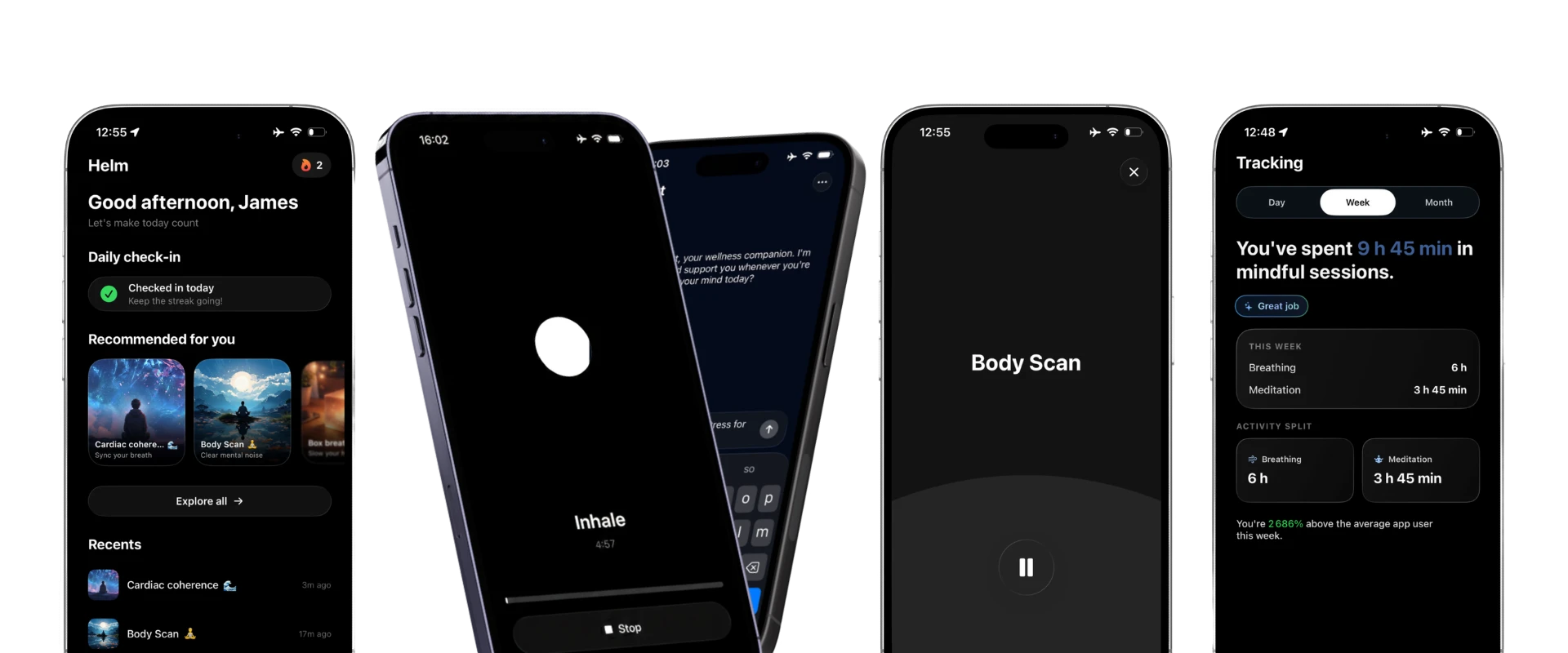
Used lightly and respectfully, breath of fire may have a place in an energizing practice. Used carelessly, it can become too activating to help. If you want a gentler way to build a steady breathing habit, you can try Helm, an iOS mental wellness app designed to manage stress and improve focus through guided breathing resets.
No, not ideally. Mild warmth or activation can happen, but dizziness usually means you are breathing too fast, too forcefully, or for too long, and you should stop and return to normal breathing.
Sometimes, but often not. Because it is stimulating, it may worsen anxiety in people who are sensitive to bodily sensations, panic, or overbreathing. Slower breathing is usually a safer first choice.
About 15 to 20 seconds is plenty for a first attempt. Rest, notice how you feel, and only increase gradually if your body stays calm, steady, and symptom-free.
No, not exactly. People often use the terms interchangeably, but different traditions teach different rhythms, emphases, and goals, so technique and intensity can vary.
People with panic symptoms, uncontrolled blood pressure, respiratory issues, pregnancy, fainting history, or recent surgery should be cautious. If you have any medical condition, get individual guidance before trying forceful breathing practices.
Ten minutes a day to feel calmer, sleep better, and stay sharp.