HELM
The Helm Blog
Insights on nervous system regulation, mental clarity, and the science of optimal performance.
HELM
HELM
HELM
HELM
HELM
HELM
Insights on nervous system regulation, mental clarity, and the science of optimal performance.
Helm is the #1 app to optimize your mind, breathe better, and master your focus. Combine science-backed breathwork and meditation into your daily protocol to build resilience.
If you want to know how to stop fight or flight response fast, start by giving your body clear signals that the threat has passed. The quickest reset is usually a short sequence: plant your feet, look around slowly, unclench your jaw and hands, and make your exhale longer than your inhale. That combination reduces alarm cues and helps your nervous system shift out of emergency mode.
When fight or flight is active, your body is not being dramatic. It is trying to protect you. Heart rate climbs, breathing gets shallow, muscles brace, and your attention narrows toward danger. In that state, forcing yourself to instantly relax often backfires. A better goal is to lower the intensity of the stress response by changing what your body is doing first. Once your body senses more safety, your thoughts usually start to settle too.

The fight or flight response is your body’s rapid survival system. It can be triggered by a real threat, but it can also turn on during conflict, overwhelm, panic, bad news, pain, lack of sleep, or too much stimulation. An overview of the fight or flight response explains that stress hormones prepare you to act fast, not to feel peaceful. That is why you may notice a racing heart, shaky hands, sweating, tunnel vision, nausea, or the urge to escape.
This also explains why logic alone may not work in the moment. Your thinking brain is not fully in charge when the body is reading danger. Research on slow breathing and autonomic regulation suggests that slower, controlled breathing can influence heart rate variability and help shift the balance toward a calmer state. In plain language, the body can become a shortcut back to mental steadiness.
When the surge is strong, use a body-first reset instead of trying to think your way out. Move through these steps in order:
This sequence works because it interrupts several parts of the threat loop at once. A longer exhale helps slow the body down, visual orientation reduces hypervigilance, and releasing tension removes the physical posture of defense. You are not pretending everything is fine. You are showing your system that it can downshift.
Yes, deep breathing can make some people feel worse, especially during panic, dizziness, or a strong adrenaline spike. If you breathe too big or too fast, you can end up over-breathing, which may increase lightheadedness, tingling, chest tightness, or the sense that something is wrong. That is one reason many people say breathing exercises do not work for them.
A safer rule is this: breathe lower, quieter, and slower, not bigger. Let the inhale be gentle and let the exhale do slightly more work. Learning why diaphragmatic breathing usually works better than chest breathing can help if you tend to gasp, shrug your shoulders, or pull air into the upper chest.
You also do not need to close your eyes. For some people, that increases distress. Keep your eyes open, stay oriented to the room, and aim for a breath that feels sustainable rather than impressive. A summary of relaxation techniques and safety basics supports this gentler approach.
The first wave may pass in a minute or two, but residual adrenaline can linger. That is why you might feel shaky, tired, emotional, or oddly restless even after the worst part is over. Once you are at least 20 to 30 percent calmer, give your body a simple task. Walk slowly for a few minutes, drink water, loosen tight clothing, or step away from noise and screens.
It also helps to reduce mixed messages. If you tell yourself to calm down while checking for danger every three seconds, the body gets conflicting input. Instead, use a short grounding statement such as: I am activated, and I am safe enough right now. Clear, believable language works better than forced positivity.
If surges happen often, look at the pattern behind them. Common triggers include sleep debt, caffeine, hunger, conflict, overwork, pain, and accumulated stress. If your body keeps flipping into high alert, it may not need more willpower. It may need more recovery, more boundaries, or a steadier daily rhythm.
Sometimes a stress response is just a stress response. Sometimes it overlaps with panic, burnout, trauma, hormone changes, medication effects, or a medical issue. Do not assume every racing heart is anxiety.
Get medical help promptly if you have:
A guide to panic attack symptoms and when they need evaluation can help you understand the difference between a common stress surge and something that deserves closer attention. If your body feels hijacked often, professional support can shorten the path back to stability.
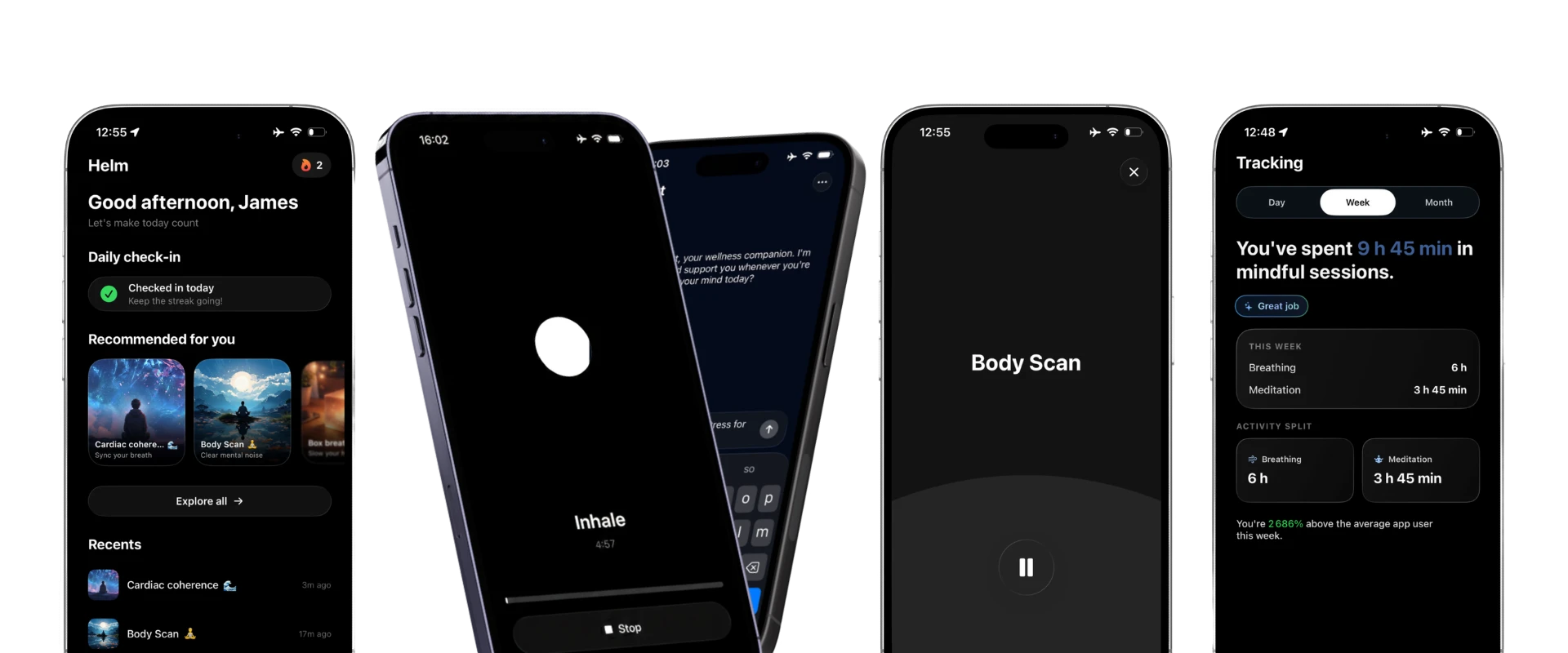
Stopping fight or flight fast is less about forcing calm and more about sending your body better evidence. Start with orientation, lengthen the exhale, release tension, and use firm physical contact with the ground or chair. If deep breathing makes you feel worse, make the breath smaller, quieter, and more comfortable. The goal is not perfection. It is reducing the alarm enough that your mind and body can reconnect. Practice the sequence when you are only mildly stressed, and it will be easier to use when the surge is stronger. If you want a simple guided reset, try Helm, a mental wellness app designed to manage stress and improve focus through guided breathing resets.
Usually a few minutes to about an hour, depending on the trigger, your stress load, and what you do next. The sharpest surge often passes quickly, but leftover adrenaline can linger.
Yes, shaking can be a normal stress response. It often happens because your muscles were primed for action and your body is discharging leftover activation after the threat eases.
Slowly is usually better. Fast or oversized breaths can worsen dizziness or panic, while a gentle inhale with a slightly longer exhale is often easier for the body to tolerate.
Yes, many people can. Visual grounding, loosening muscle tension, pressing your feet into the floor, cooling your face, or walking slowly can all help interrupt the alarm response.
Because the body responds to cues, not just logic. Stress, poor sleep, conflict, and overstimulation can keep your nervous system primed even after your conscious mind knows the danger is over.
Join thousands using Helm to manage stress, improve focus, and build lasting healthy habits.